
Nova Scotia Bridge renewal
Client: Whangārei District Council
Challenging assumptions for better outcomes
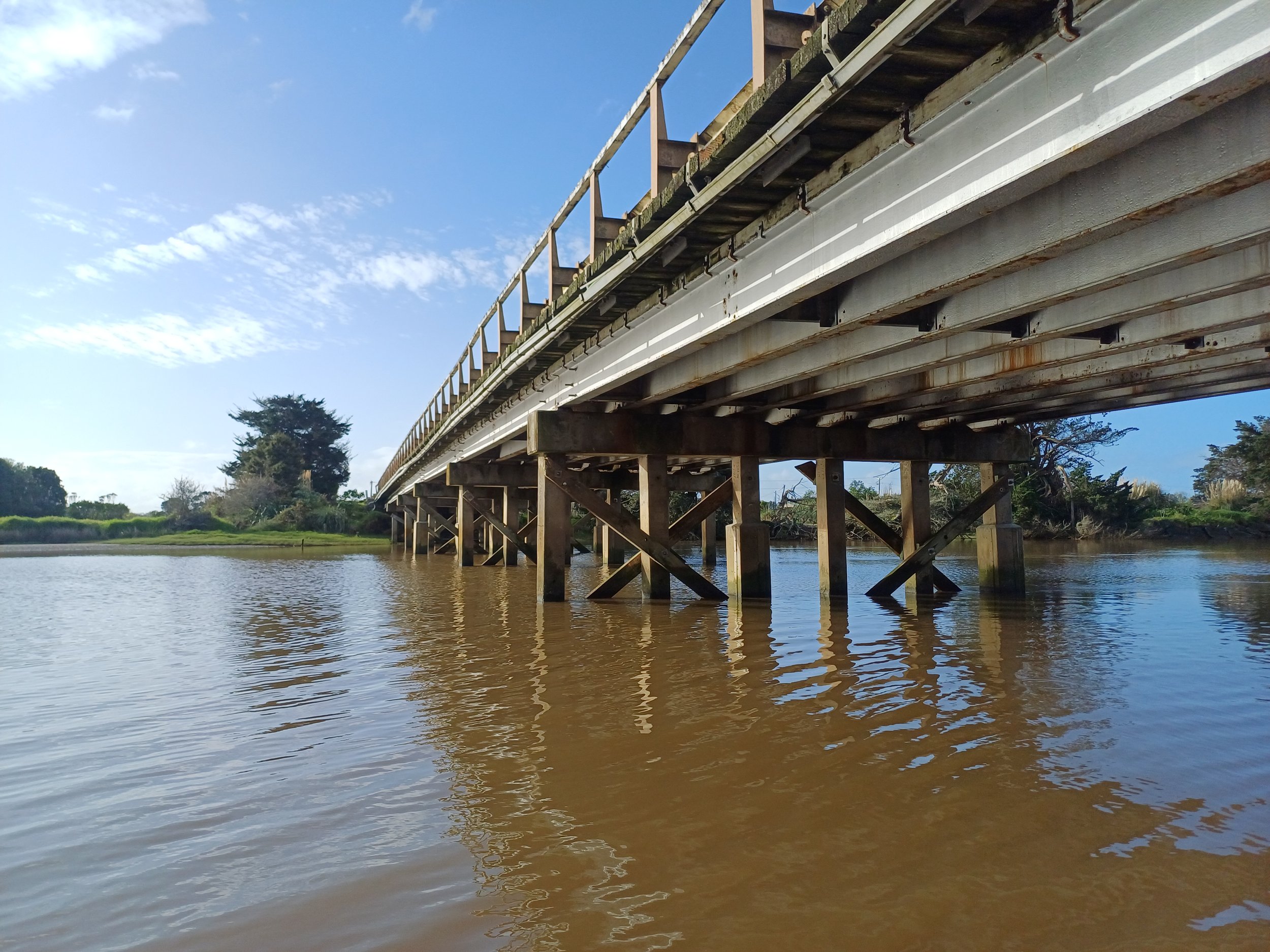
The Nova Scotia Bridge is an official state highway detour, relied on if SH1 closes due to slips at the Brynderwyns. For Whangārei District Council (WDC), keeping this link safe and reliable is important for community connectivity and regional resilience.
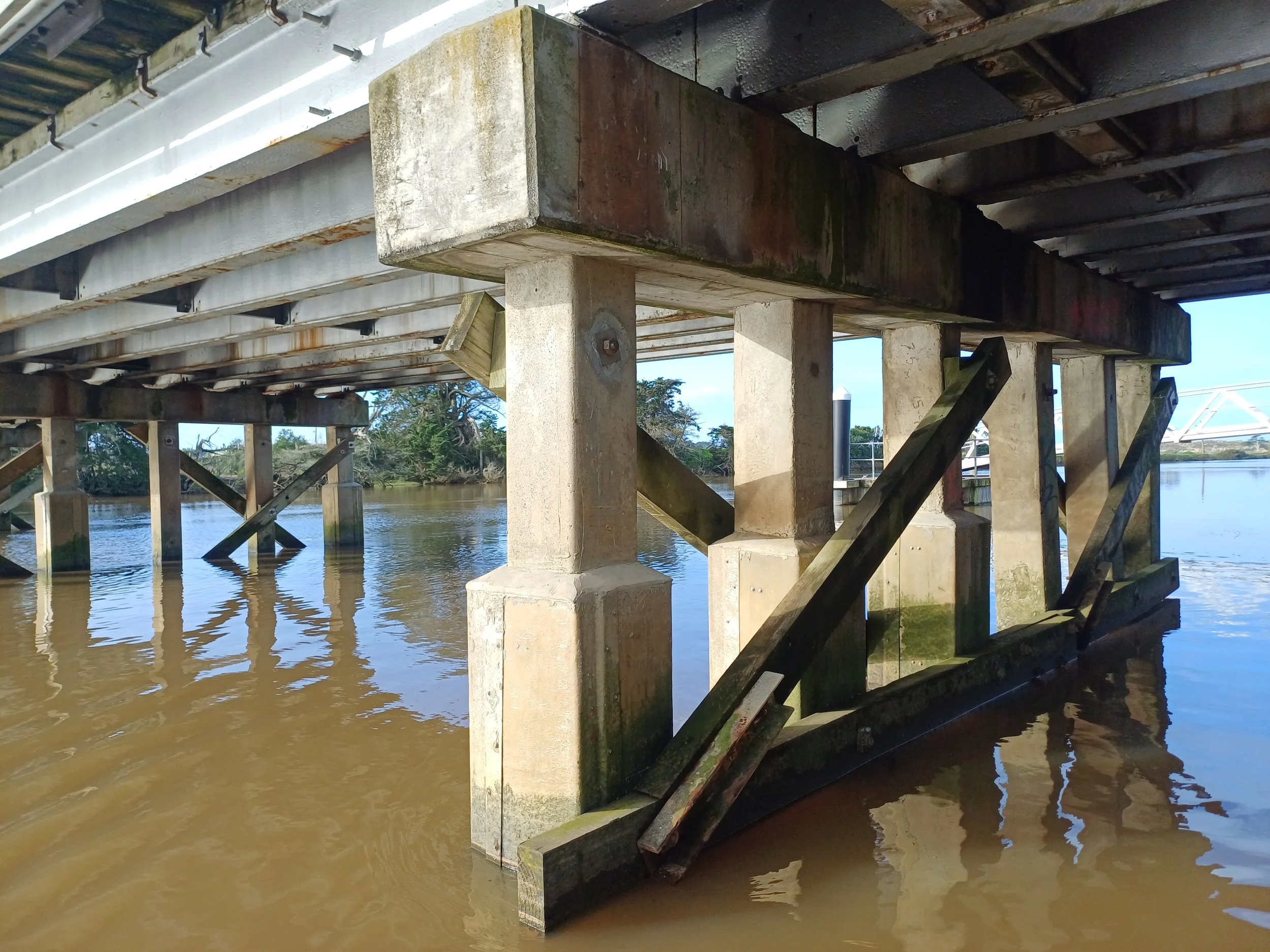
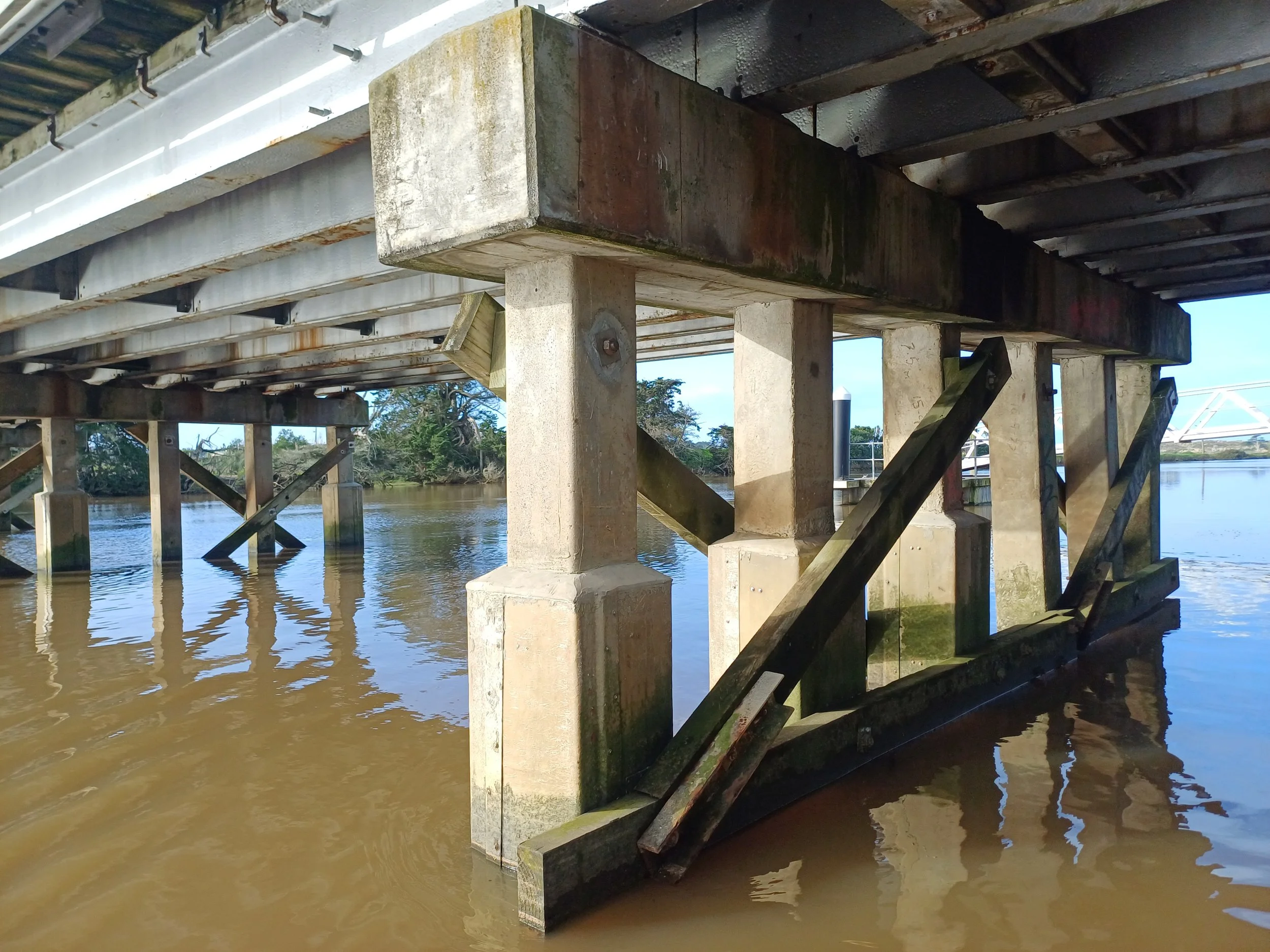
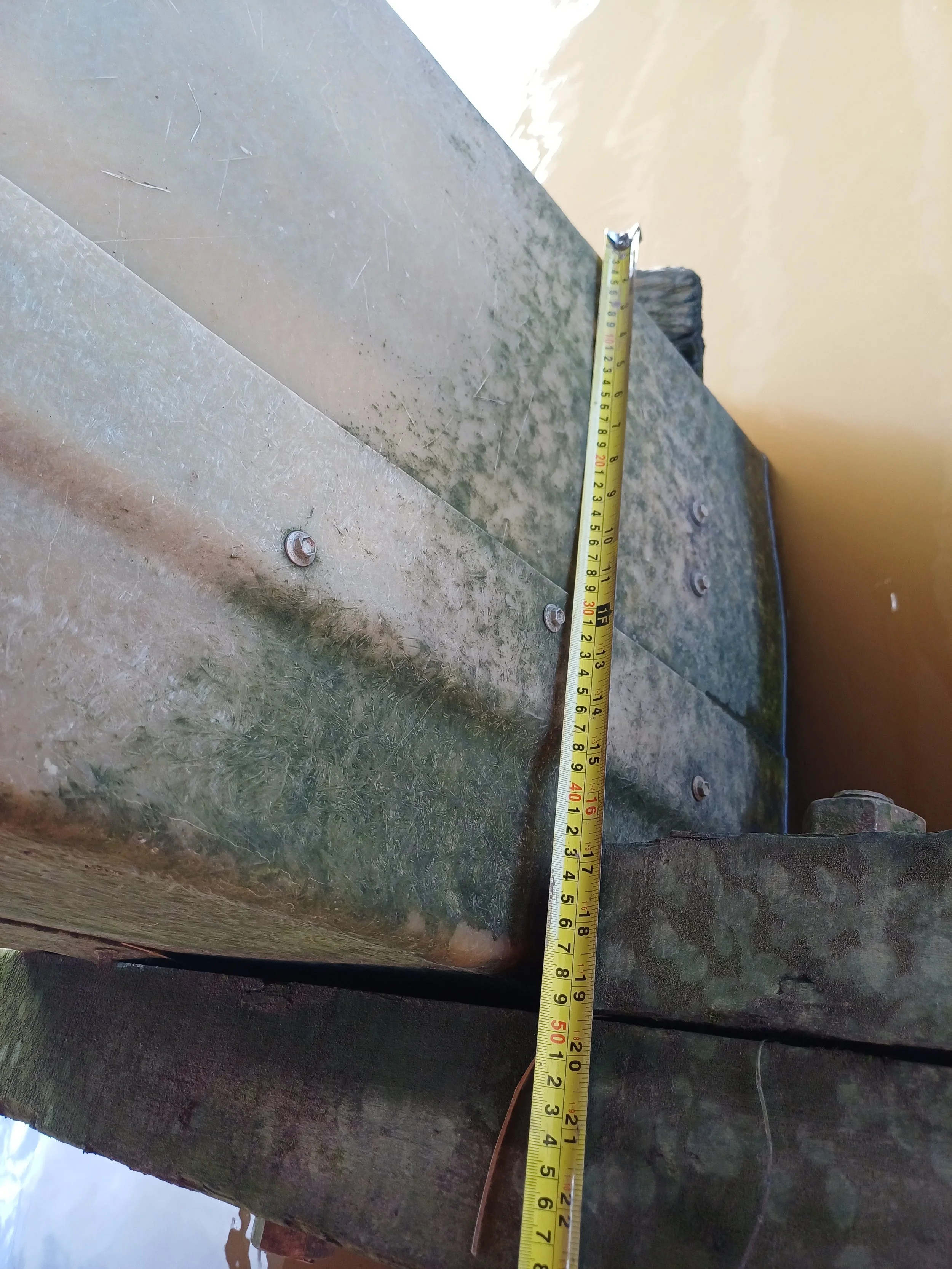
During a routine NZTA S6 inspection, deterioration was noted in the bridge’s reinforced concrete piles. This came as no surprise - years earlier, non-structural pile jackets had been installed to improve durability, with an expectation that more jackets would eventually be needed. GRIT was engaged to assess and scope repairs in line with that plan.
Seeing beyond the surface
On site, our engineers observed only minor surface cracking. With downtime always a factor, there was some expectation to press on with the original plan of adding more pile jackets. But our experience with precast piles told us to dig deeper: with prestressed multistrand wire reinforcing, serious corrosion can remain hidden, without the visual indicators of rebar corrosion. We recommended destructive investigation to fully understand the risk.
To keep the project moving, GRIT developed a predictive condition assessment and preliminary repair design, calling on our experience with aging concrete infrastructure in tidal environments. With adaptability built in, the design could be quickly verified and refined as new information came to light.
Standing firm on engineering judgement
A third-party peer review questioned the need for destructive investigation, but we disagreed. Only further investigation would reveal the true state of the piles, and proceeding without it risked missing serious defects. It was a challenging stance to take, but one we believed was necessary to properly evaluate the risk.
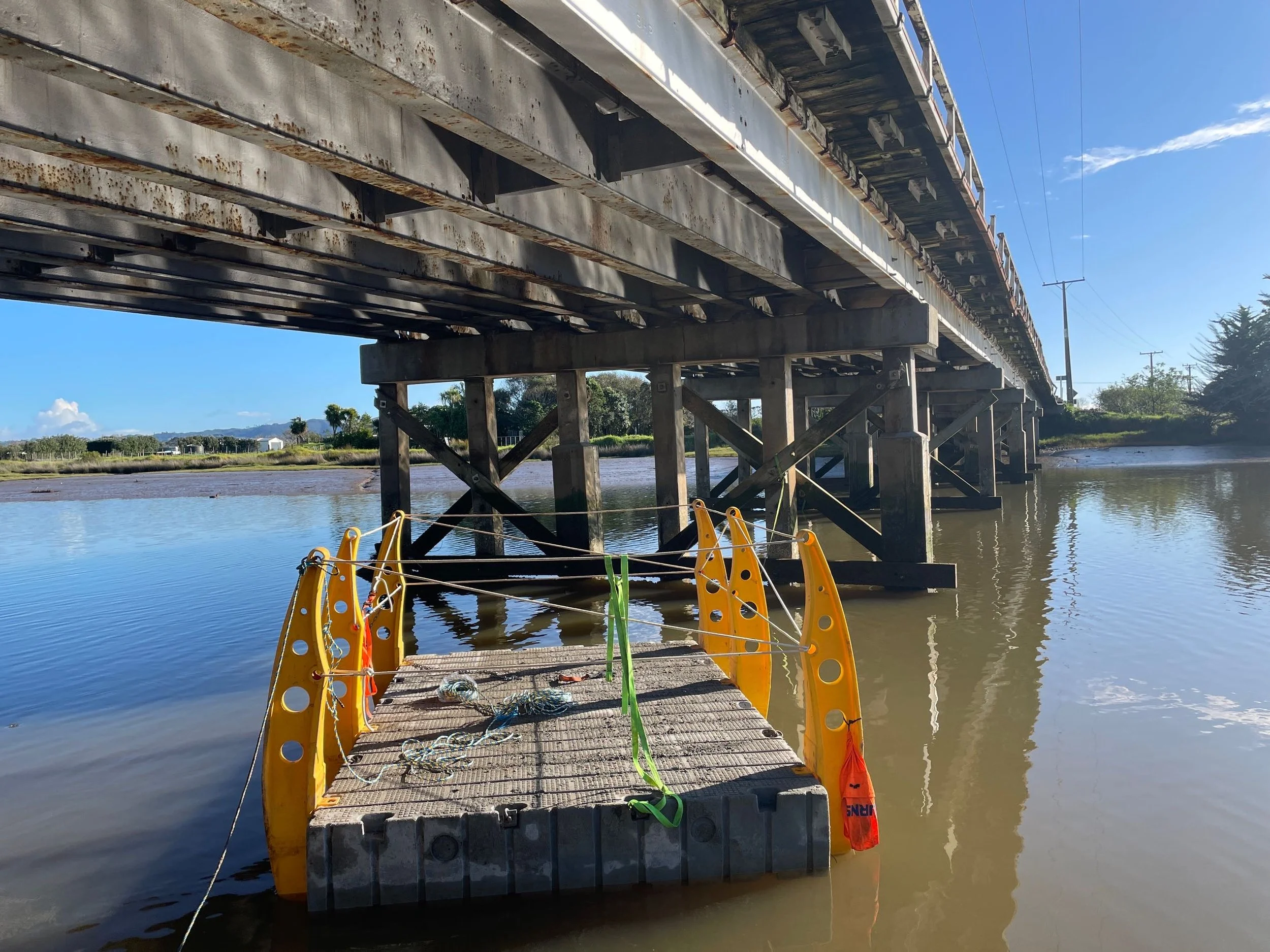
Once safe access was established, targeted concrete excavations with hydro-blasting confirmed what we suspected: significant internal corrosion, with some reinforcing strands completely gone. GRIT reverse-engineered the pile capacity and confirmed structural repairs were needed for the bridge to remain safe over its remaining service life. Had the earlier approach been followed, the structure may have been left critically vulnerable.
Engineering better outcomes
With the extent of deterioration confirmed, the project scope expanded to full structural strengthening. GRIT is now working closely with WDC and the specialist contractor to design and deliver a solution, combining carbon fibre wrap technology for strength with cementitious jacketing for durability.
This strategy avoids a full pile replacement - an expensive option that would have closed the bridge for extended periods. It also offers major sustainability benefits: extending the life of the existing piles reduces waste, avoids significant construction in a sensitive coastal environment, and cuts the carbon cost of demolition and rebuild.
A collaborative path forward
Throughout this project, collaboration has been central. Assumptions were tested, knowledge shared and design decisions adjusted as site conditions came to light. Open communication between WDC, the contractor and GRIT meant the scope could evolve without delaying the programme or compromising safety.
The work is still in progress, but the direction is clear: by strengthening the existing piles, Nova Scotia Bridge will remain safely in service. While upfront costs have risen, WDC has gained long-term value - a bridge that is safer, stronger and better equipped to serve the community into the future.