
Client: Waitaki District Council
Knowing a bridge - and knowing when its time has come
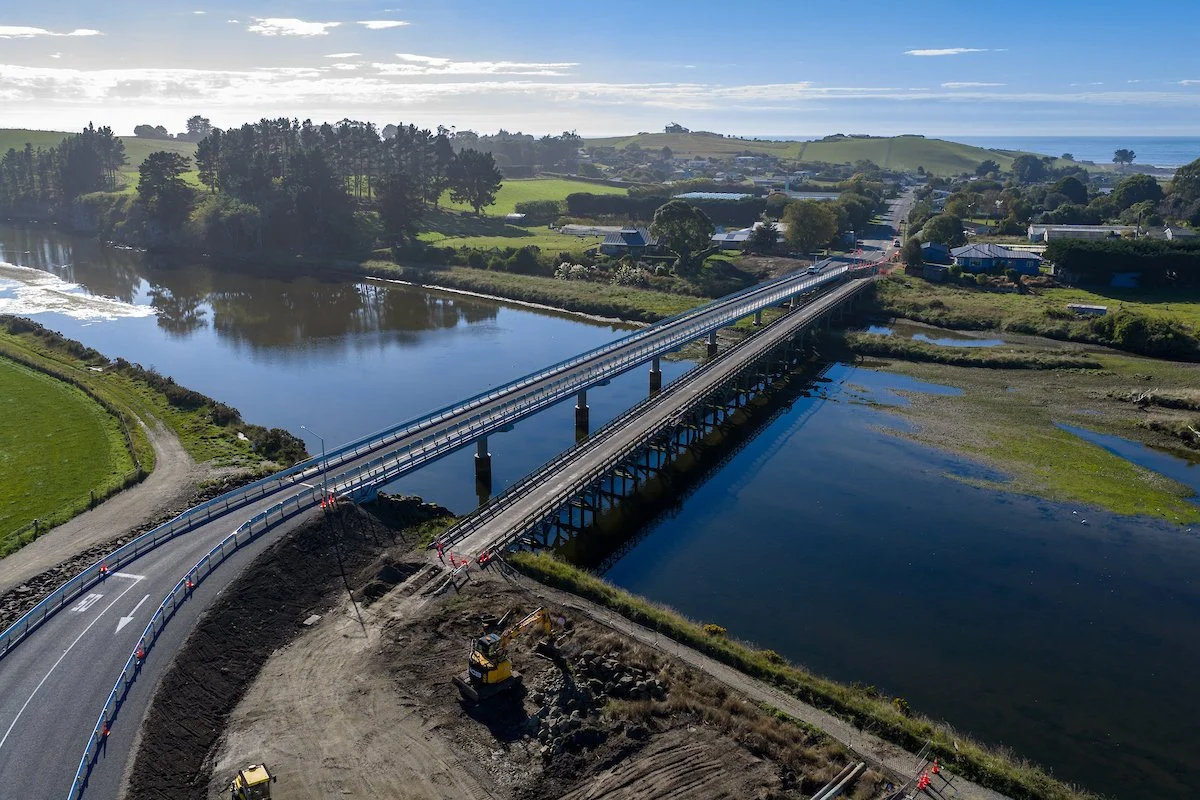
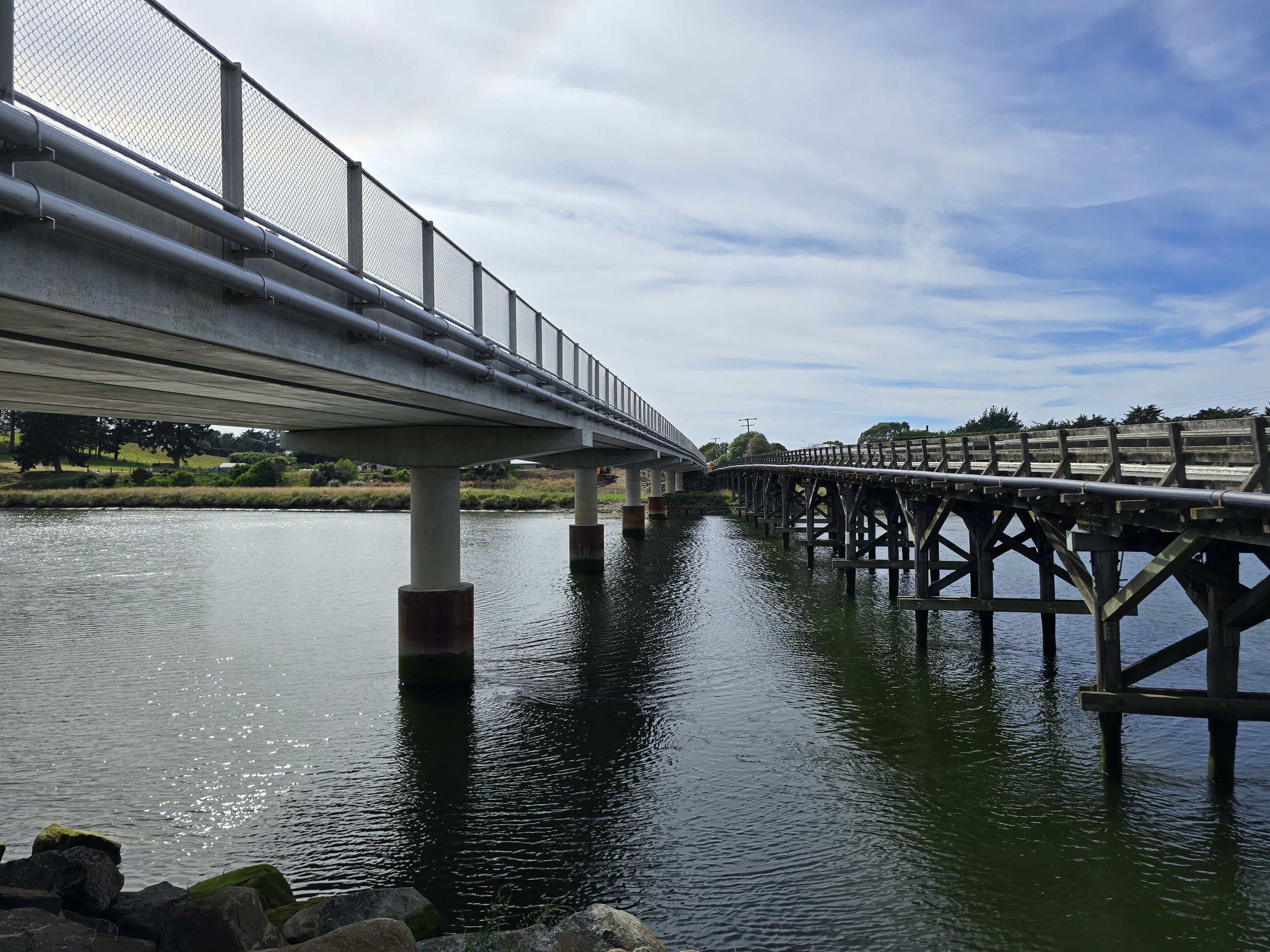
The Kakanui Bridge has carried traffic across the Kakanui River since 1899. For much of its life it has done so reliably, but its fifteen cross-braced timber piers - built from imported Australian hardwood and sitting in the river channel - have long posed challenges. Slash buildup during heavy rain events, a weight limit that no longer meets modern requirements, and 126 years of service had brought the bridge to the end of its useful life.
DCL Consulting has been managing the structural health of the Kakanui Bridge through regular Principal Inspections over many years. That long-term relationship with the structure - understanding how it was aging, how it was behaving in flood conditions, and what it would take to keep it safe - gave Waitaki District Council the evidence base they needed to make the case for replacement.
More than a local crossing
The Kakanui Bridge is not just the main access route to the coastal community of Kakanui. It also serves as a key flood-route backup to the State Highway, making its reliability a matter of regional significance. Any decisions about the bridge's future needed to account for that wider role.
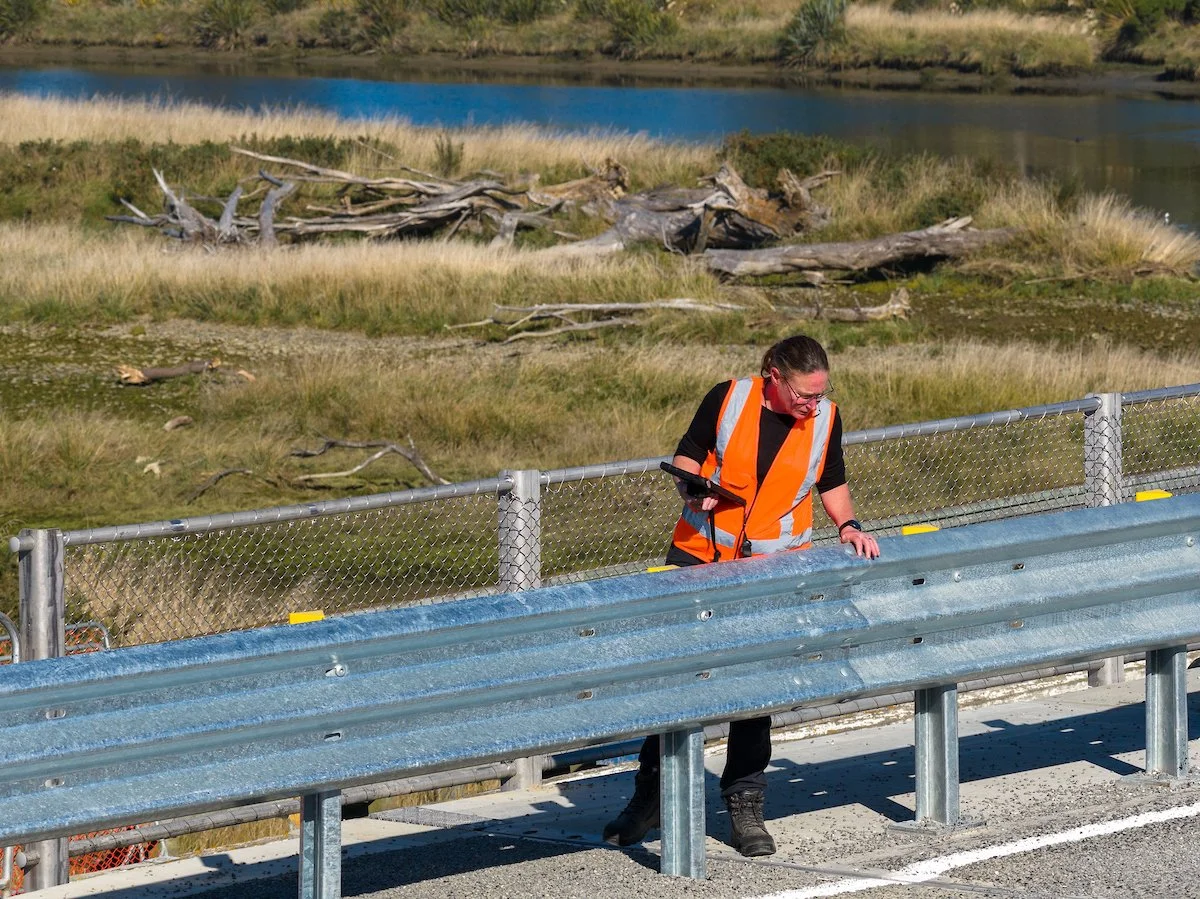
When the decision was made to replace rather than repair, DCL's involvement carried straight through into the delivery phase. The team completed a Present Value End of Life (PVEOL) assessment and sat on the tender evaluation team, before taking on Engineer to the Contract (ETC) and MSQA services for the replacement project itself - bringing the same detailed knowledge of the site and structure into construction.
Decades of knowing the bridge
Since annual Principal Inspections began, DCL has carried out extensive drilling and condition assessment of the timber components to track deterioration and guide maintenance priorities. That work informed a long-term programme of repairs and strengthening, including replacement of crosstrees, pile bracing, crossheads and timber beams - some replaced with steel members to maintain serviceability and preserve the bridge's restricted load capacity.
By 2021, inspections found severe decay below ground level in several piles and cross trees at Abutment B. Pile 2 and Cross Tree 2 had effectively lost their connection, both were major load-carrying members, and traffic crossing the bridge was causing significant movement. Emergency strengthening and concrete encasement works followed.
A separate issue emerged at Abutment A in the 2022 inspection, when excavation around the piles found water pooling and seeping through the timber during drilling. The report identified this as a likely driver of accelerating decay and recommended further investigation. By 2024, noticeable settlement behind the abutment had developed. With full replacement already confirmed, a risk-based decision was made to continue monitoring rather than undertake further repair works.
The replacement
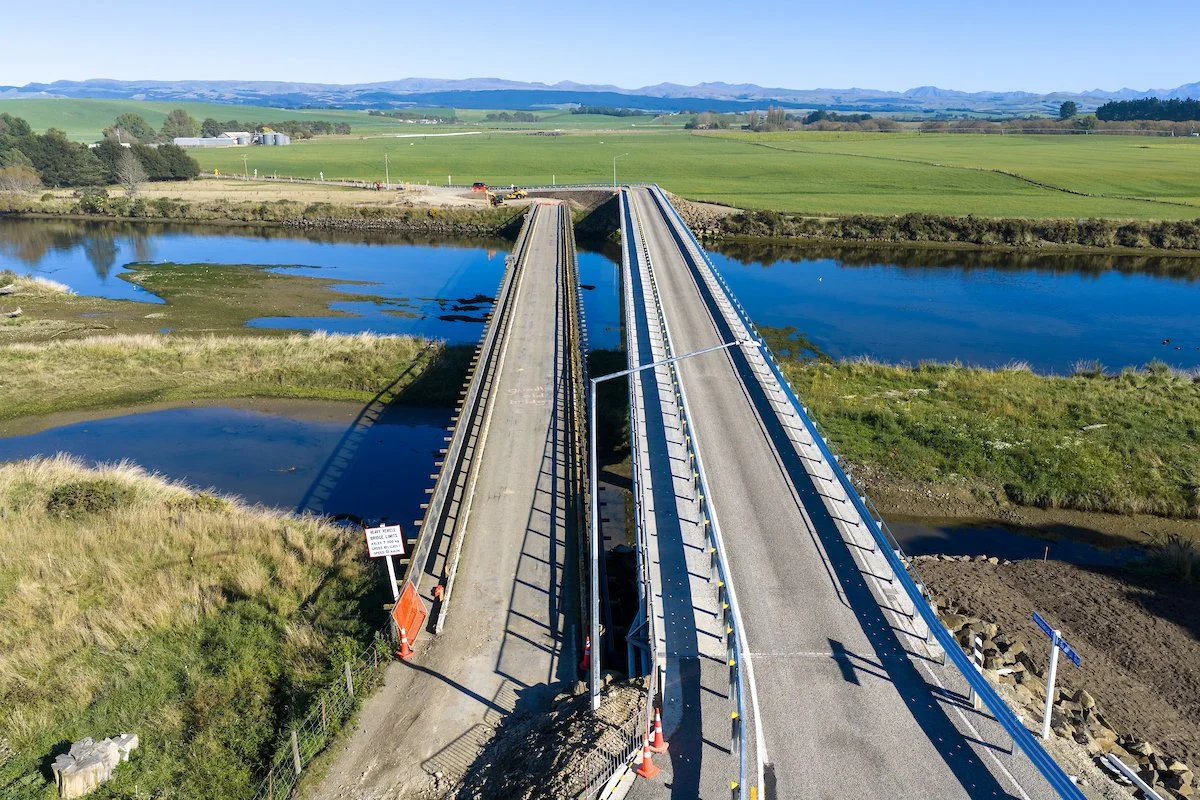
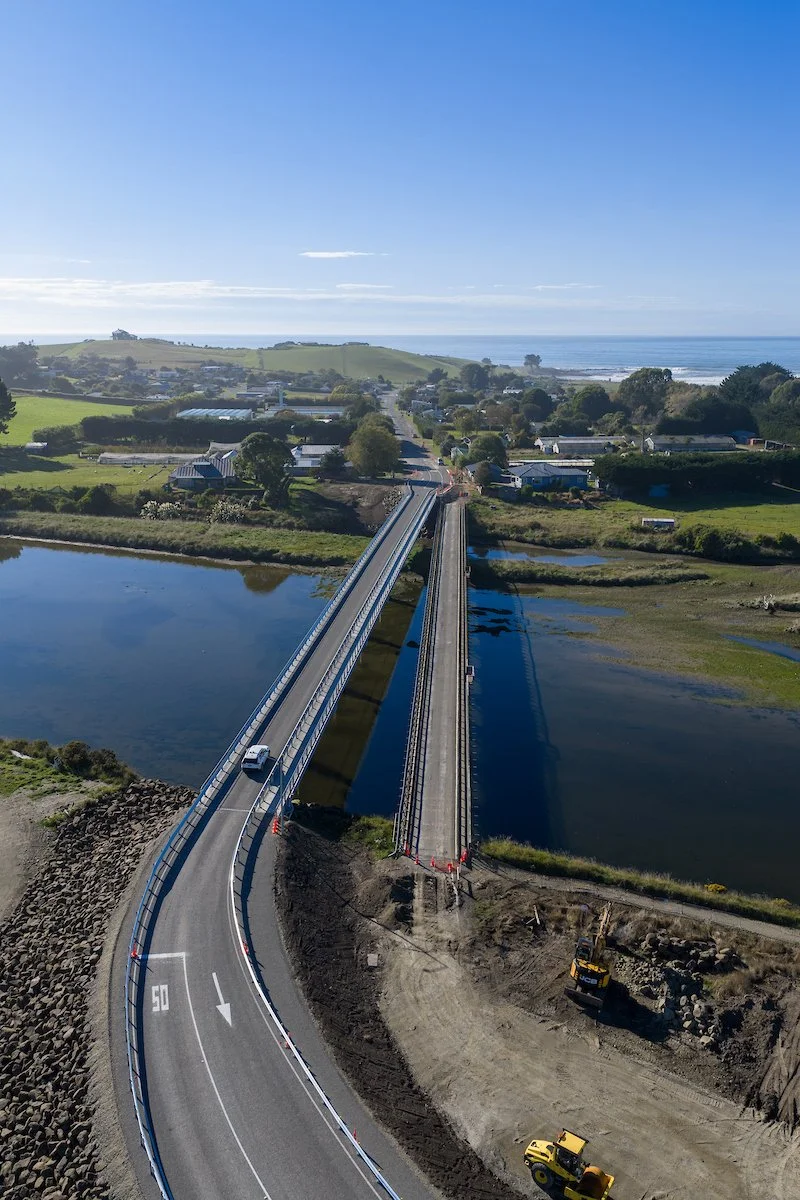
The new bridge - a single-lane concrete structure with six round concrete piers and a wider pedestrian and cycle path - was delivered by Concrete Structures NZ Ltd, funded through a Waitaki District Council and NZTA partnership. It sits higher than its predecessor, designed to better withstand flood events and the pressures of a changing climate.
The project tracked ahead of schedule and under budget throughout construction, and the bridge opened to traffic on 9 April 2026.
The result
What began as a long-term inspection relationship - knowing the bridge, understanding its behaviour, and giving the council clear, defensible information - has carried through to the delivery of its replacement. That continuity of knowledge across the full asset lifecycle is exactly what good bridge stewardship looks like.