
Te Mihi Cooling Tower, Wairakei - Structural peer review
Client: Seagull Cooling Technologies
Peer review at the edge of what's been done before
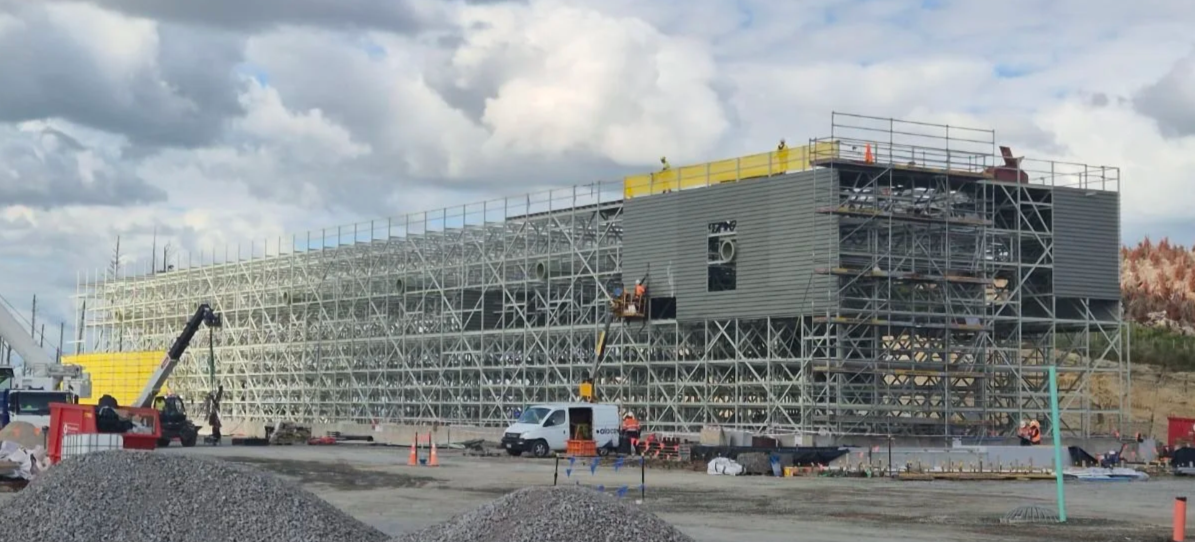
When Seagull Cooling Technologies needed independent peer review of a new cooling tower at Te Mihi, near Wairakei, GRIT was brought in to provide that independent check on a project of genuine complexity. The cooling tower serves the Contact Energy site and is one of the largest Glass Fibre Reinforced Polymer structures to be peer reviewed in New Zealand.
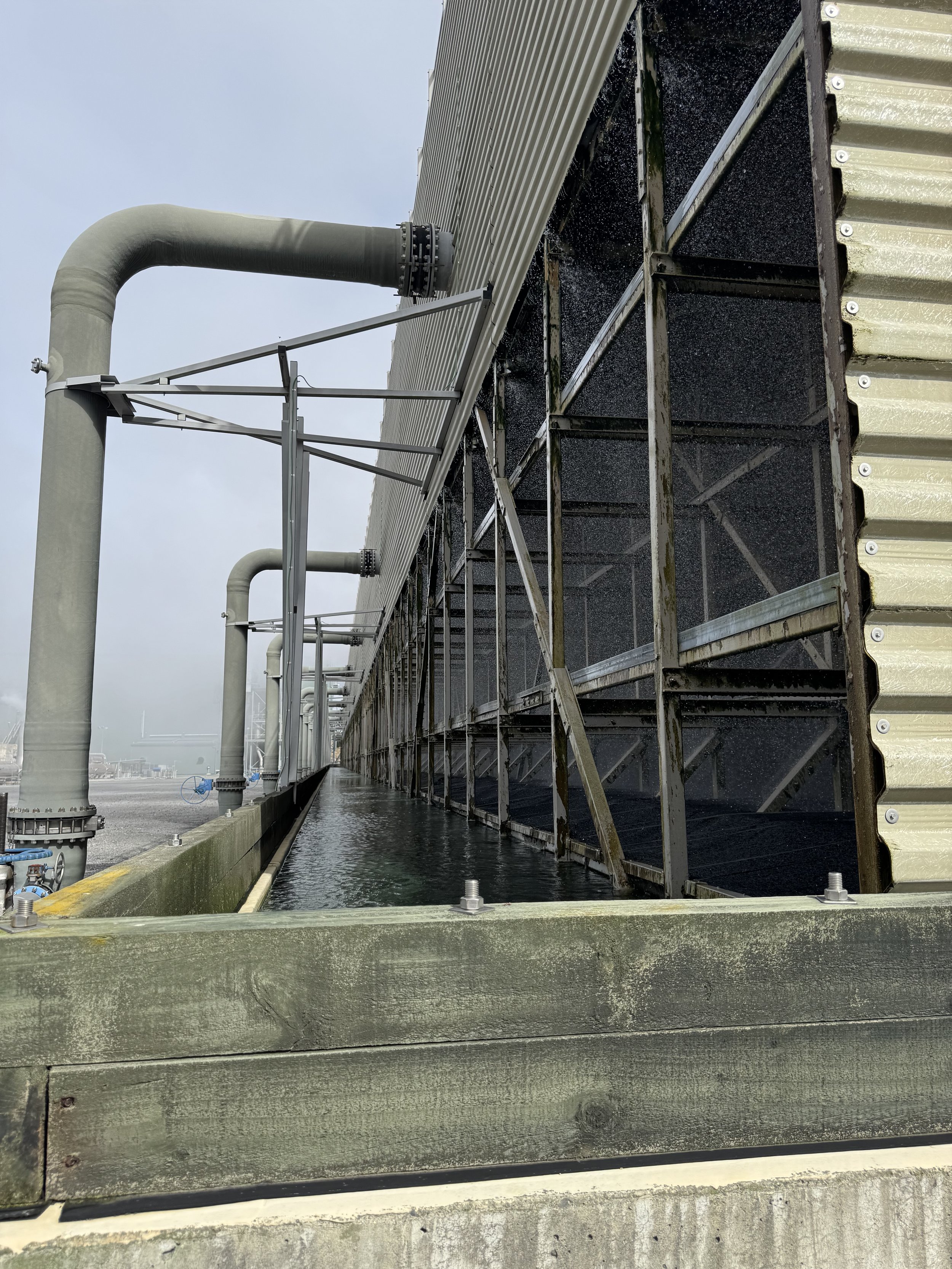
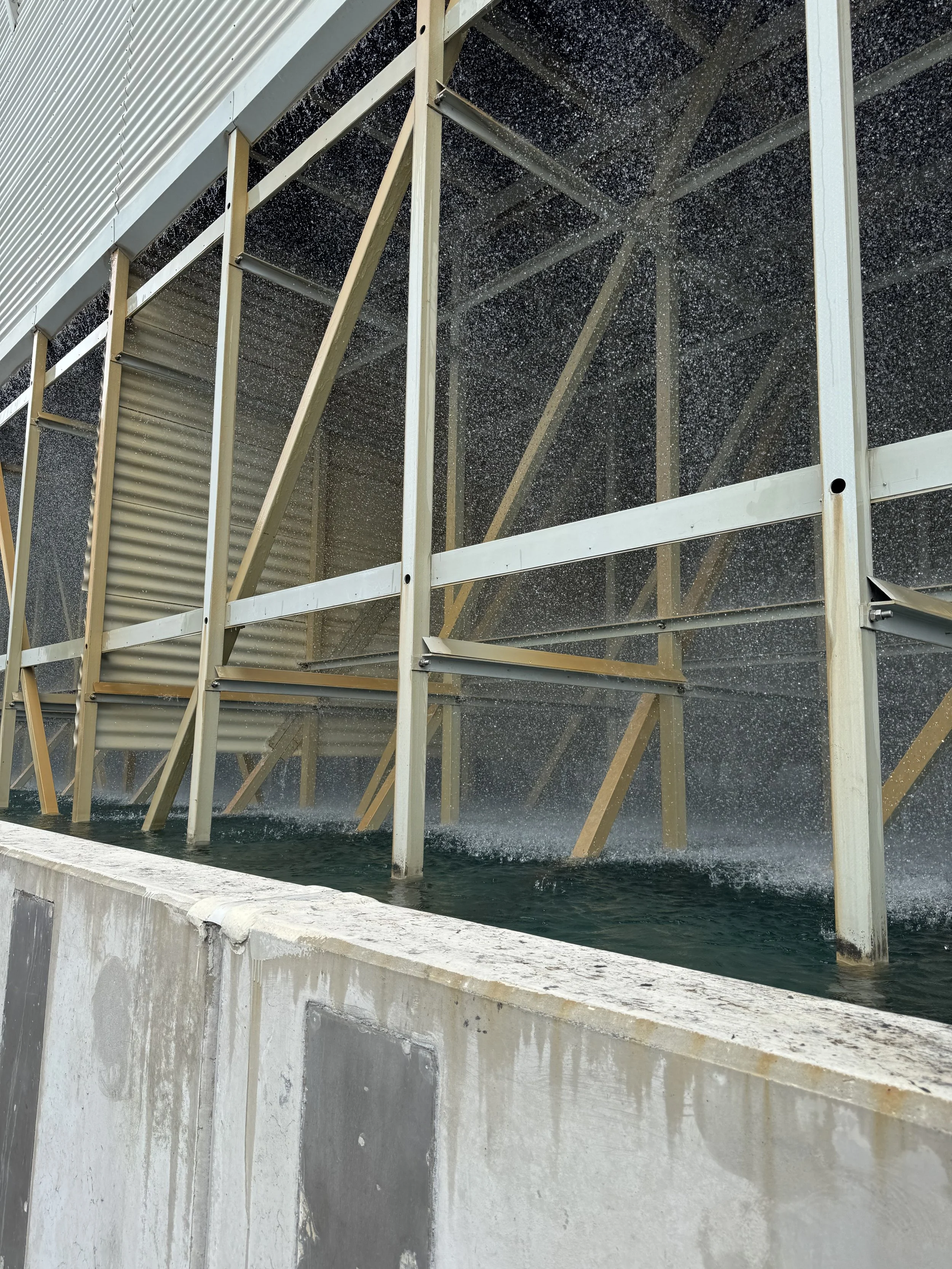
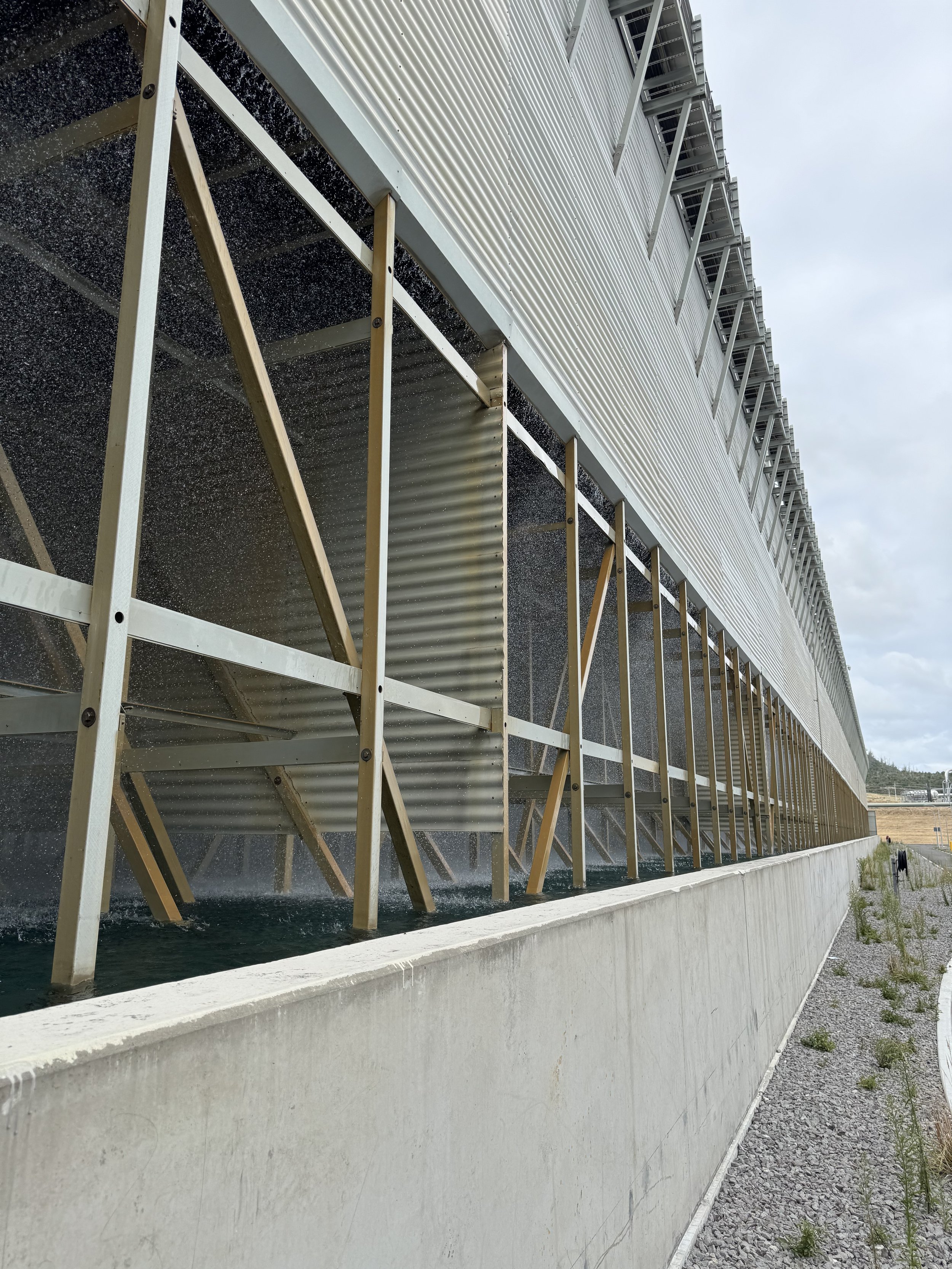
The structure is substantial - 236 metres long, 16 metres wide and 14 metres tall - and constructed entirely from Glass Fibre Reinforced Polymer (GFRP). It is one of the largest GFRP structures to be peer reviewed in New Zealand, and the novelty of the material presented genuine technical and compliance challenges that required careful, considered engineering judgement.
Finding a path where none existed
GFRP is a relatively new structural material in New Zealand, and at the time of the review there was no established compliance pathway for assessing GFRP members under New Zealand's limit state design requirements. The cooling tower had been designed using an overseas design methodology that, while widely accepted internationally, did not have a clear alignment with the New Zealand Building Code or the owner's technical requirements.
Rather than defaulting to a straightforward pass or fail, GRIT investigated the applicable standards in depth and identified a combined approach that could demonstrate compliance robustly without requiring a full redesign. Working closely with the Seagull CT design team, GRIT communicated the technical path clearly and practically, helping to keep the project on track and avoiding unnecessary rework.
Delivering under pressure
The project ran to a tight programme. Foundation design by a third party was on the critical path, and base reactions from the superstructure review needed to be confirmed before that work could proceed. GRIT completed the base reaction review within two days, developing an independent structural model to validate the load paths, governing load combinations, and results - providing the confidence needed to move forward without delay.
Managing complexity, protecting clarity